About 𐒻𐒼𐓂 Lab
𐒻𐒼𐓂 Lab is an Indigenous Politics Lab comprised of undergraduate and graduate students at Oxford College of Emory University. We conduct qualitative and quantitative research that seeks to answer political questions of tribal nations and Native advocates about representation and institutional accountability.
𐒻𐒼𐓂 Lab is headed by principal investigator, Dr. Elise Blasingame (Osage Nation). The research we conduct is grounded in Indigenous methodologies for approaching political science questions, specifically those prioritized by Tribal Nations and advocates.
𐒻𐒼𐓂 (e-ko) is the Osage word for grandmother, reflecting the lab’s commitment to honor the intergenerational responsibility carried by grandmothers in our communities, reflecting a research collaborative grounded in relational knowledge and respect for tribal sovereignty. The lab includes projects that revolve around (a) data sovereignty; (b) Tribal Consultation; and (c) historical analysis of political representation for Indigenous people in the U.S. political system. Students will be assigned to different projects throughout the semester based on interests and skillsets.
All participants in the lab agree to actualize the following set of core values that guide our work. These are heavily influenced by Linda Tuhiwai Smith’s work, Decolonizing Methodologies: Research and Indigenous Peoples (1999) and the CARE Principles for Indigenous Data Governance (Russo Caroll et al).
Lab Values
-
We understand research as a set of relationships—with communities, data, histories, and one another. Our work prioritizes trust, reciprocity, and responsibility over extraction or individual credit.
One group we are accountable to is the Native American and Indigenous Studies Initiative at Emory (NAISI). Learn more about this collaborative group here: https://native.emory.edu/index.html
-
We recognize Tribal Nations as sovereign political entities and approach research with humility, consent, and respect for Indigenous governance, law, and self-determination.
-
Inspired by the role of grandmothers in our communities, we value wisdom passed across generations and consider the long-term consequences of our research for future Indigenous peoples
-
We believe Indigenous data belongs to Indigenous communities. Students commit to careful, ethical handling of data in alignment with Tribal priorities and the principles of Indigenous data governance.
-
We value knowledge that emerges from lived experience, community advocacy, and historical context—not only academic theory or quantitative methods.
-
Students approach political science questions with openness, recognizing the limits of their own perspectives and the importance of listening to Indigenous scholars, leaders, and communities
-
The lab operates as a collective. Students support one another, share skills, and recognize that meaningful research is built through cooperation rather than competition.
-
Research should matter beyond the classroom. We value work that supports Tribal Nations, informs advocacy, and contributes to real-world political and policy conversations.
How to Apply
Emory students may apply to be considered for the lab. This is a 1-credit independent study during the Spring semester.
The application will be made available in Fall 2026. Preference goes to students who have taken a course with me or are currently enrolled in POLS 111 (Principles) or DSC101 (Decolonizing Research) -OR- have taken more than one NAISI-affiliated course (https://native.emory.edu/courses/fall-2026.html).
Late applications will not be accepted.
Note: Students under final consideration may be asked to complete a very brief assignment prior to final selection. Do not stress if it doesn't work out this semester, there will be other opportunities!
Lab Structure
Students will work on an array of projects throughout the semester. Each week we will meet for one hour as a group to discuss progress, get feedback and support one another. We use a shared google slide deck to provide reflection prompts and structure our lab meetings. We also work with our wonderful Oxford librarians to identify sources that center Indigenous voices (like the Indigenous Newspapers in North America archive).
Participants are expected to conduct around 2-3 hours of work each week outside of lab meetings. Some weeks are lighter or heavier than others.
Tribal Nation-led Projects
Are you a member of tribal nation staff / elected leadership or a Native-led advocacy organization? Do you have a political or data question we can help with? Please reach out! We are accepting project ideas for 2027 until December 31, 2026.
Email elise (dot) blasingame (at) emory.edu
2026 Lab Members
Thank you to our undergraduate researchers and graduate research assistants for their many contributions to the projects listed below and to our collective lab impact.
Spring 2026
Joseph Kim, Paawan Patel, Kimble Schiller, Ella Tetteh
Sebastian Morales Forte (PhD student)
Dr. Jiwon Kim
Summer 2026
Brooke Holland, Joseph Kim, Ethan Park, Paawan Patel, Joseph Sung, Ella Tetteh, Anish Thota
Current Projects
-

Consultation Corral
Scraping key data on Tribal Consultations from U.S. government websites to validate the Consultation Corral archive platform. This is a live tool that is free for tribal leaders to track Tribal Consultation opportunities, with the aim of increasing accessibility and Indigenous Knowledge (IK) presence in final federal rules. More at: www.consultationcorral.org
-
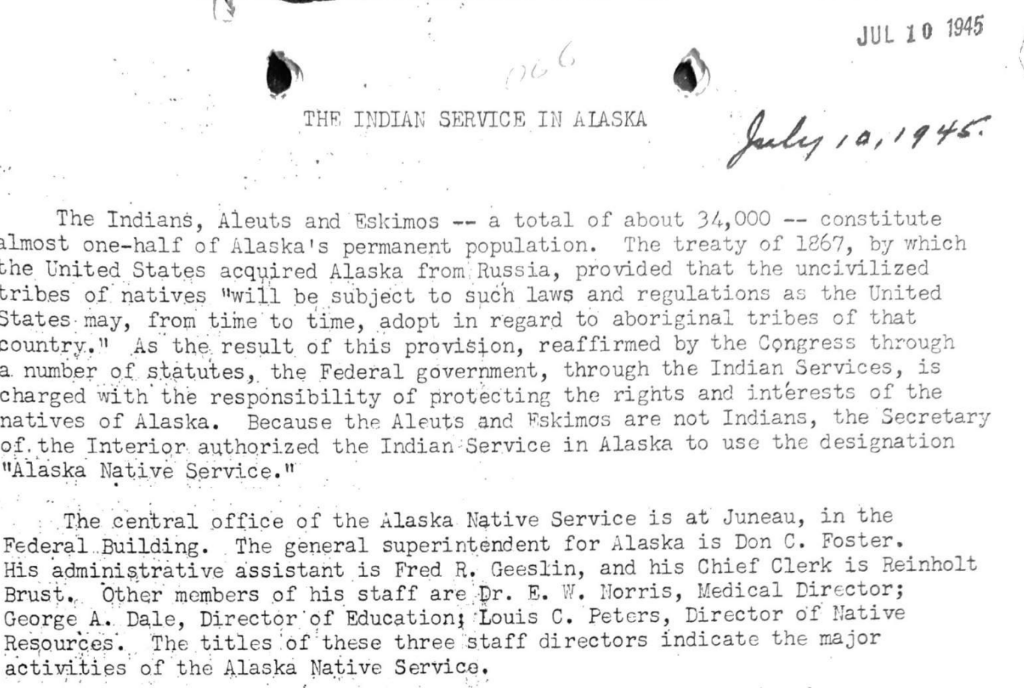
Re-Examining the Indian Reorganization Act
Identifying specific types of content present in the preamble of Indian Reorganization Act (IRA) era tribal constitutions. The Preamble is the area of the Constitution where we see the greatest variance in terms of how tribes articulate their priorities and purpose in participating in the IRA process.
Photo: BIA Letter to Alaska Indian Service (1945, NARA)
-
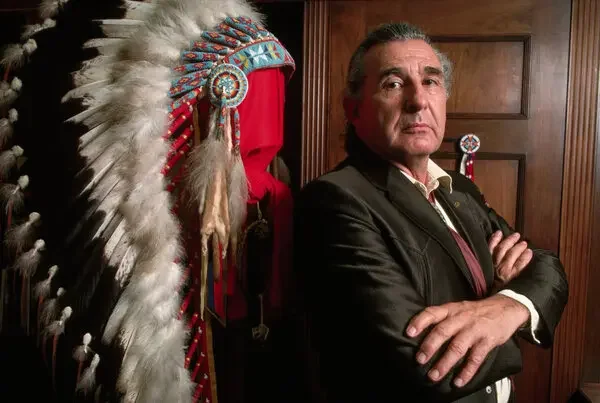
Congressional Ethnohistories
Using tribal news, personal paper and congressional archives to examine the political lives, identities, and legislative impact of Indigenous people who have served in the United States Congress (N=27). This is in support of a larger book project on Indigenous Representation in the U.S. System.
Photo: Ben Nighthorse Campbell, NYTimes
-
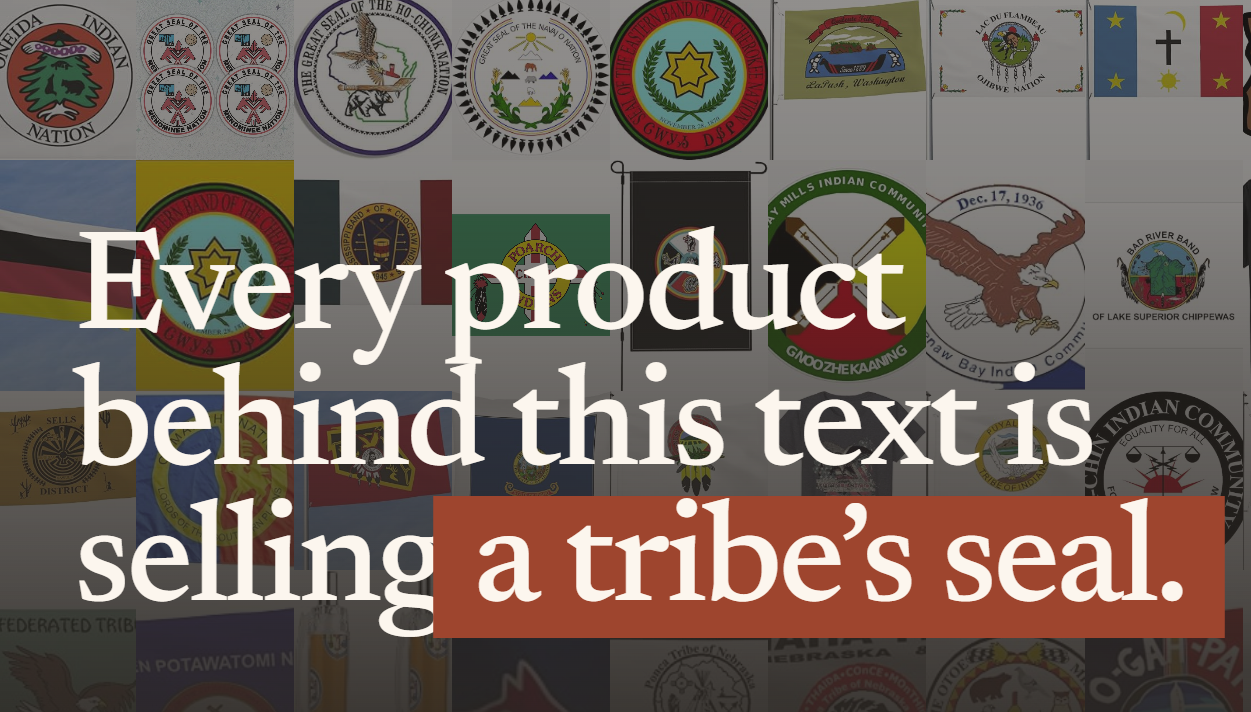
Protecting Tribal IP
Native Nation seals and trademarked logos are printed on flags, hats and stickers by third-party sellers on Amazon and Temu — with no consent, credit, or compensation. We find them, prove it, and help nations get them taken down.